Basic HTML Version


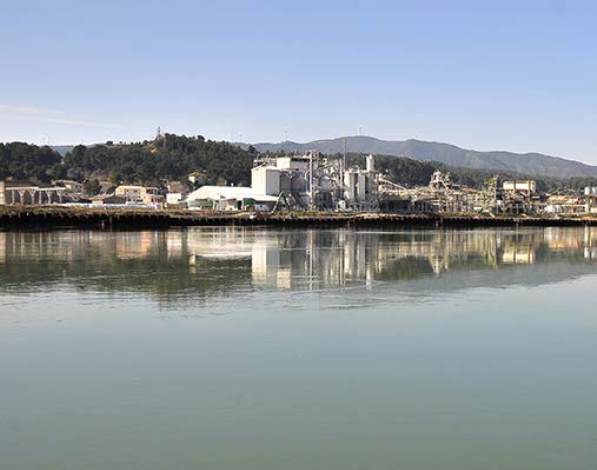
Decontamination process
FCC is removing toxic sludge which is being
treated in a process that will end with the
restoration of the river water to its natural
condition. The first step taken was to create
a safe treatment location. A double wall 1.3
kilometres long was built to separate the
worksite from the riverbed. The worksite
was further isolated with the construction
of a secant pile wall on the right bank.
The stage, which commenced in March,
calls for the extraction of about 960,000
cubic metres of sludge contaminated with
heavy metals, organochlorides and a cer-
tain amount of radioactive elements. This
sludge has built up along about 1,100 me-
tres of factory wall and extends some 150
metres out into the river. It will be removed
by an ecological dredging procedure and
treated in the plants that have been set up
nearby (classification, drying, stabilisation,
oxidation, and thermal remediation).
The treatment process consists of wet sor-
ting, where the materials will be separated
and classified. Next the silt will be dehy-
drated. This dried material will be shipped
to a warehouse where it will be stored and
sampled so the appropriate treatment can
be determined. Meanwhile, all the water
dredged out of the river and extracted du-
ring the treatment process will go to a water
treatment plant, after which it will be retur-
ned to the protected area. Eventually all the
material will be shipped to a landfill 8 kilo-
metres away that has been built specifically
for this project.
The project includes a series of additional
operations, such as the preparation of an
emergency water supply for the cities and
towns downriver from Flix as a preventive
measure in the event of contamination, and
protection of the Sebes Nature Reserve,
which lies on the bank opposite the factory.
When treatment
of the sludge has been
completed, the Ebro
River will return to its
natural state